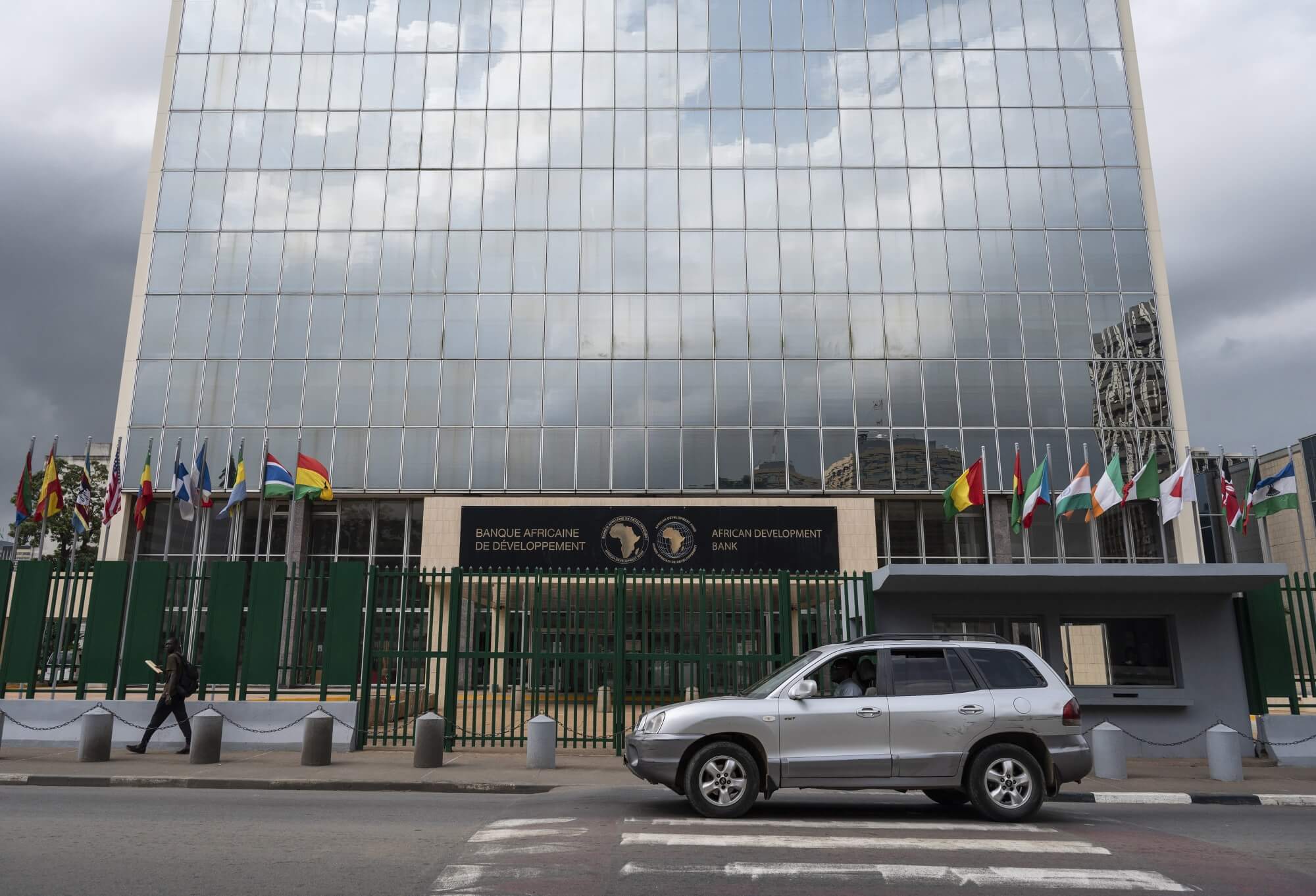
Kenya’s technical and vocational education sector has suffered a major funding loss after a key African Development Bank (AfDB) project fell behind schedule by four years.
The Sh7.2 billion initiative, launched in 2015, was designed to modernize technical colleges, improve student access, and enhance the quality of training, but slow execution has meant some of its resources could not be used.
The AfDB blamed bureaucratic hurdles in government offices for the delay in processing contracts and disbursing funds. “The red tape in the Ministry of Education, together with the National Treasury, was instrumental in the slowed processing of disbursements, leading to delayed contract execution,” the bank noted in its final report.
The cancelled portion amounts to Sh335 million, which was earmarked for building workshops, hostels, and purchasing equipment for selected TVET institutions.
In addition, the funds were intended to support tutor training and provide scholarships for needy students to boost their chances of securing employment.
While the project achieved some of its targets—training 544 tutors against a goal of 600 and awarding scholarships to 3,000 students—most planned infrastructure improvements fell short. Only 10 of the 33 targeted colleges received engineering and applied sciences workshops, with two more still under construction by the project’s completion.
Despite the AfDB’s investment, the bank concluded that Kenya’s technical colleges still face gaps in capacity and resources, leaving many students with limited access to vocational training.
The funding loss is a setback for efforts to equip youth with skills needed for the job market, and it highlights the challenges in managing development projects efficiently.































Comments
Sign in with Google to comment, reply, and like comments.
Continue with Google